
Local SEO
What Is Local SEO?
Plain-language definition of local SEO — the map pack, location signals, and Google Business Profile work behind local rankings.
You know how frustrating it is to search for a nearby service and find outdated hours or incorrect addresses. That exact friction point is why mastering what is local seo has become the defining factor for regional growth. Since Adam Yong founded Adam SEO in 2011, we have watched proximity and relevance become the absolute gatekeepers of consumer traffic.
Today, nearly 46% of all Google searches carry explicit local intent.
These searchers are not just browsing; they have a specific problem and want a nearby solution immediately. We view this shift as a massive opportunity for smart business owners. Let’s break down the exact strategies our team uses to capture high-intent traffic. You can explore the core definitions further in our comprehensive guide to Local SEO.See also: Does My Business Need Local SEO?.
The Definition: What Is Local SEO?
Local SEO is the set of practices that make your business findable in location-aware search results. This local seo definition includes the Google map pack, Google Maps, location-tagged organic searches, and AI surfaces answering city-specific queries.
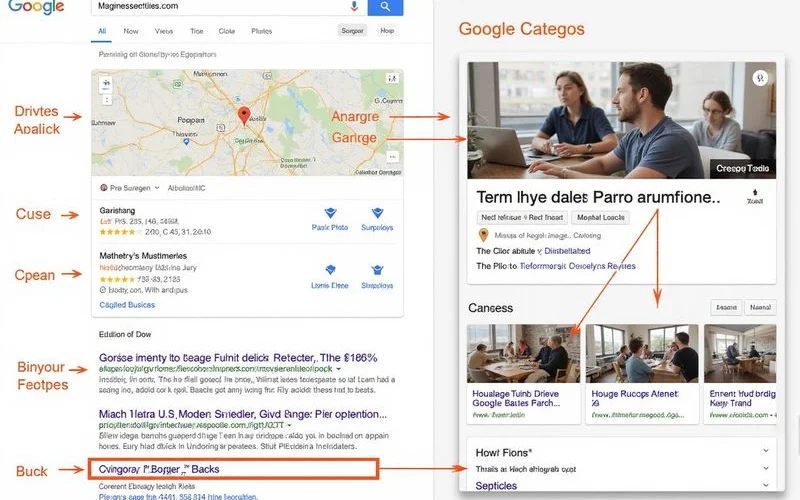
Your business can surface in several key local areas:
- The Google 3-Pack: The highly coveted three-business panel shown above standard results.
- Google Maps: The primary navigation tool used by over 2 billion active users globally in 2026.
- AI Overviews: Generative search features that increasingly pull directly from verified local entity data.
According to 2026 data from BrightLocal, businesses appearing in the Google 3-pack secure 126% more traffic and 93% more actions than competitors ranking just below them. Getting into those top three spots is the difference between a phone that rings and one that stays silent.
Our internal metrics show similar trends across Malaysian markets. A staggering 80% of local Google Maps searches result in a physical store visit. Executing proper map pack seo is the highest-impact organic work a local enterprise can do to capture this immediate demand.
What Local SEO Covers
Effective local search optimisation splits into four distinct layers. We approach each of these layers as a compounding asset for your digital storefront.
- Google Business Profile (GBP) Optimisation: This covers categories, services, photos, and regular posts. Choose a specific primary category like “Nasi Lemak Restaurant” instead of a generic “Restaurant”. This directly impacts how Google categorises your business for local AI recommendations.
- Local Citations: These are verified mentions of your business name, address, and phone number across authority sites. Secure consistent listings in directories like Super Pages Malaysia and Yellow Pages. This builds essential trust signals.
- On-Site Signals: This layer involves dedicated location pages, local schema markup, and geo-tagged content on your website.
- Review Velocity: You need sustainable systems that keep new reviews flowing in steadily.
Data from the ADE GenCite Blog in 2026 reveals a clear trend. Businesses with 50 or more Google reviews are 3.8 times more likely to receive algorithmic recommendations. Star ratings matter, but the consistent frequency of new reviews matters just as much.
Our team considers GBP optimisation the highest-leverage action for immediate visibility. The profile data outweighs website content and social media combined for local AI discovery.
Local SEO vs Regular SEO
Local search optimisation weights Google Business Profile and citation signals heavily to determine proximity and relevance. Regular SEO places much more weight on content depth, technical health, and editorial backlinks to establish broad topical authority.
We recommend running both strategies in parallel to maximise your digital footprint. The local approach captures high-intent neighbourhood searches, while the organic approach handles general brand queries.
| Feature | Local SEO | Regular SEO |
|---|---|---|
| Primary Goal | Map pack visibility and foot traffic | Organic rankings and broad reach |
| Key Signals | Proximity, NAP consistency, reviews | Domain authority, backlinks, content |
| Target Audience | Nearby searchers with immediate intent | National or international searchers |
Most Malaysian businesses miss the powerful compounding effect of treating these as integrated channels. Strong organic rankings actively boost Google’s confidence in your map pack placement.
A single point of failure in your local data can disrupt this synergy completely. 2026 consumer behaviour reports from SOCi reveal a harsh reality. Over 62% of customers will avoid a business entirely after finding incorrect contact information online.
When Local SEO Makes Sense
Local optimisation is the right investment whenever you have a physical address customers can visit or a strictly defined service area. Multi-location brands also see massive benefits, provided each location runs its own optimised profile to feed into a national strategy.
Malaysia reached a 98% internet penetration rate in 2026, meaning over 35.4 million users are online daily. Many of these users are searching for immediate local solutions on their mobile devices right this second.
Proximity and precise geographic boundaries are the deciding factors for winning local search traffic in 2026.
We see incredible results for service-area businesses like plumbers, electricians, or delivery services in regions like KL, PJ, and Subang. These companies must configure their service areas accurately within their Google profile to capture nearby demand.
Pure online businesses without a physical presence or a local service scope typically do not benefit from these tactics. For strictly e-commerce or digital products, standard organic strategies carry the load.
Where to Start
Audit your current Google Business Profile strictly against the criteria Google publishes. You must verify that every field, photo, and service category accurately reflects your current operations.
Google’s AI systems now frequently auto-edit business categories and operating hours based on user suggestions and external data. You need a routine schedule to monitor your profile and reject any incorrect AI-generated updates before they confuse customers.
Our audit process always begins with a strict Name, Address, and Phone number (NAP) consistency check across your top 20 citations. Most Malaysian businesses we review have significant gaps in both layers, including incomplete profile fields and inconsistent details across legacy directories.
Here is a simple starting checklist:
- Run a Citation Audit: Use specialised tools like BrightLocal or SEOspace to scan platforms such as Super Pages Directory and Foursquare for any NAP discrepancies.
- Standardise Your Format: Choose exactly how your address should look (e.g., “Jalan” vs. “Jln”) and enforce it everywhere.
- Monitor Weekly: Check your main profile at least once a week for unauthorised edits or new customer reviews.
Fixing these foundational elements sets the stage for every other optimisation strategy. You cannot build a high-ranking digital storefront on top of broken or conflicting data.
Understanding what is local seo is the first step in dominating your neighbourhood market.
The environment is highly competitive, but the businesses prioritising accurate data always win.
We encourage you to run that first audit today and see exactly where you stand. Reach out to our team if you need help turning your digital presence into a consistent lead generator.
Related Guides
Does My Business Need Local SEO?
Quick qualifier to decide whether local SEO is worth investing in for your business model.
Google Business Profile Optimization Guide
Step-by-step Google Business Profile setup and ongoing optimization for Malaysian businesses.
Local Citations and NAP Consistency in Malaysia
Citation building and NAP consistency for Malaysian businesses — which directories matter and how to keep listings clean.