
E-commerce SEO
E-commerce SEO vs Paid Social for Online Sales
Position organic product visibility against ad-dependent sales channels and find the right mix.

Learn more about our E-commerce SEO service. Our team at Adam SEO has watched customer acquisition costs across Southeast Asia climb steadily since we opened our doors in 2011. Search engine rankings mean nothing if they fail to generate tangible revenue.
You likely feel the margin squeeze every time you check your Meta Ads dashboard. Acquisition costs in the region have tripled over the last decade.
This trend is destroying profitability. See also: Product Page SEO vs Category Page SEO.
We created this guide to map out exactly how you should allocate your budget today. Understanding the true economics of ecommerce seo vs paid social is the only way to scale. Visit our E-commerce SEO guide to see exactly how these campaigns operate behind the scenes.
The Channel Economics
Ecommerce SEO and paid social solve entirely different revenue problems. Meta ads provide immediate transaction volume, while search optimisation builds compounding, permanent traffic equity.
We see a clear distinction in how these investments mature when comparing seo vs facebook ads ecommerce. Spend RM 1,000 on Facebook or TikTok Shop today, and you will see traffic hit your store by tomorrow morning.
The customer acquisition cost (CAC) remains predictable but rigid. Every single sale requires a paid ad impression right before it.
Stop spending money, and your sales volume drops to zero instantly.
Organic search marketing operates on a completely different timeline. You might invest RM 4,500 on a monthly retainer for six months before your primary Shopify category pages secure page-one positions.
That means your initial CAC looks terribly high in months one through four.
Our data shows that this cost per acquisition drops sharply by month five, and it continues to fall as your organic presence compounds. Stop investing in search, and your rankings will hold their ground for months before showing any signs of decay.

The Core Differences: Ecommerce SEO vs Paid Social
| Feature | Meta Ads (Paid Social) | Organic Search (SEO) |
|---|---|---|
| Time to First Sale | 24 to 48 hours | 4 to 6 months |
| Cost Structure | Pay per click or impression | Fixed monthly investment |
| Long-Term Equity | Zero asset value | High compounding value |
| Traffic Drop-Off | Immediate when paused | Slow, gradual decay |
The Crossover Point
Organic CAC typically drops below paid social CAC between months eight and fourteen for most Malaysian e-commerce categories. This intersection is the exact moment where your search marketing investment becomes vastly more profitable than running social media ads.
We track this timeline closely because it dictates the true winner in the organic vs paid ecommerce debate. Highly saturated markets like consumer electronics might take closer to fourteen months to reach this stage.
Less competitive niches, such as specialised B2B supplies, often cross over the profitability line much faster.
The compounding math behind organic vs paid ecommerce guarantees that once you pass this milestone, your profitability gap widens every single month.
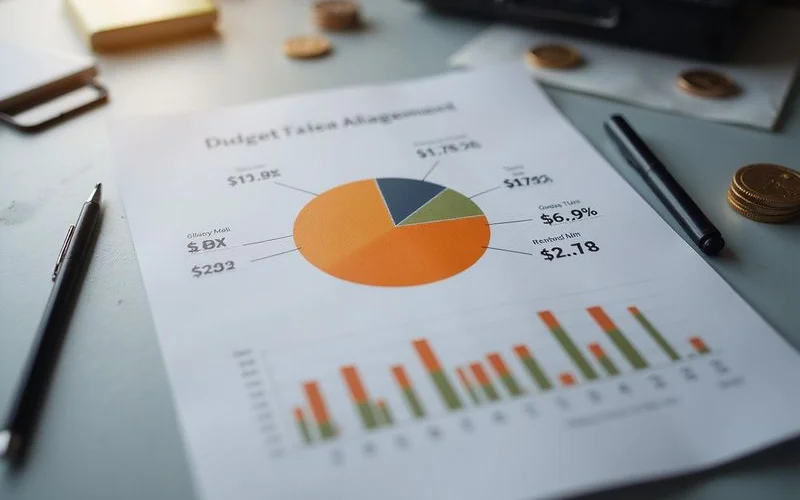
We always recommend a hybrid strategy to protect your cash flow during the early stages. You should stagger your channel investments using these specific steps:
- Months 1-3: Allocate 80% budget to Meta Ads for survival, 20% to technical site audits.
- Months 4-6: Shift to 60% paid social, 40% content creation as rankings climb.
- Months 7-9: Balance at 50/50 while organic traffic begins generating consistent sales.
- Month 10+: Flip the ratio, using organic traffic for volume and paid ads purely for targeted retargeting.
When Paid Social Wins
Paid social dominates when you need urgent revenue, lack brand awareness, or sell highly visual products. Platforms like Instagram and TikTok Shop excel at generating impulse purchases from users who were not actively looking to buy.
Our agency sees fast-moving consumer goods thrive in these environments. Beauty, fashion, and lifestyle brands often justify a heavy weighting towards social media ads indefinitely.
Visual formats stop the scrolling behaviour and create immediate desire.
You must optimise your campaigns strictly to survive the rising costs of these platforms. Social commerce now accounts for roughly 27% of all online retail value across Southeast Asia.
We tell clients to implement specific exclusions to protect their daily budget. Standard advertising setups waste huge amounts of money showing ads to the wrong people.
Consider these exact audience exclusions to lower your Meta ad costs:
- Recent Purchasers: Exclude users who bought within the last 30 days.
- Chronic Abandoners: Filter out people who abandon carts but never return after 14 days.
- Customer Service Issues: Exclude existing clients with open support tickets to avoid negative comments on ads.
When SEO Wins
Organic search is the superior choice if your category has high existing search demand or requires significant buyer research. Stores with massive product catalogues benefit immensely from capturing shoppers who type exact model numbers into Google.
We prioritise search marketing for high-consideration purchases and B2B suppliers. These customers require trust, detailed specifications, and time before they commit to a transaction.
Brand-aware audiences actively use search engines to validate their choices before swiping a credit card.
Your store architecture plays a massive role in capturing these ready-to-buy users. A well-structured Magento or Shopify site naturally funnels category traffic down to specific product pages.
Our internal data aligns with industry benchmarks showing organic search traffic converts at around 2.1% on average. This conversion rate remains highly profitable because you pay zero cost-per-click for that visitor.
Focus your technical optimisation efforts on these three high-value areas:
- Category Page Architecture: Build dedicated landing pages for specific product attributes.
- Schema Markup: Implement product data feeds so Google displays your price and review stars directly in the search results.
- Page Load Speed: Ensure your mobile store renders in under three seconds to prevent high bounce rates.
Stage 4 Remarketing Bridge
The final stage of our 4-Stage Framework deploys paid remarketing to capture organic visitors who leave without making a purchase. This bridge strategy uses the Meta Pixel to follow your free search traffic around the web and bring them back to checkout.
We consider this hybrid layer absolutely critical for maximising profitability. Even a perfectly optimised, search-led storefront will lose a significant percentage of visitors on their first visit.
Your traffic acquisition channels must work together as a unified system. Organic search works hard to bring a highly targeted visitor to your site for free.
On-page conversion rate optimisation then handles the users who are ready to buy immediately.
Our retargeting campaigns sweep up the remaining hesitant shoppers. Showing a dynamic Meta ad featuring the exact product they just viewed is a highly cost-effective way to close the deal.
| Visitor Action | The Acquisition Engine | The Conversion Mechanism |
|---|---|---|
| Initial Discovery | Organic Search Ranking | High-quality blog or category page |
| Site Exploration | Internal Linking | Clear product descriptions and reviews |
| Cart Abandonment | Meta Pixel Tracking | Dynamic product retargeting ads |
What to Do Next
Your next immediate action should be determined by your current cash flow and your tolerance for rising acquisition costs. You must start scoping a technical search strategy today if you are entirely dependent on paid social and feeling the margin pressure.
We advise taking a hard look at your analytics before making any drastic budget cuts. Start by implementing Stage 4 retargeting if you currently enjoy decent organic rankings but lack a structured follow-up mechanism.
Start with whichever channel matches your immediate cash runway if you currently have zero traffic. You can then begin layering the second channel into the mix once your monthly revenue stabilises.
Winning the ecommerce seo vs paid social battle requires a calculated approach.
Focus on building a resilient, multi-channel business that does not rely on a single algorithm for survival. Send us your site URL if you want a professional audit of your current acquisition strategy.
Related Guides
E-commerce Technical SEO Basics
Faceted navigation, schema, and Core Web Vitals — the technical SEO basics every Malaysian store needs covered.
How Much Does E-commerce SEO Cost in Malaysia?
Realistic pricing bands for ecommerce SEO in Malaysia — what drives cost, what to expect, and how to scope a retainer.
Is My Online Store Ready for SEO?
Pre-qualify whether your online store is technically and commercially ready to invest in SEO.