
Technical SEO
Core Web Vitals and Page Speed for SEO
Connect page speed and Core Web Vitals (LCP, INP, CLS) to rankings, conversion, and the CRO Stage 2 framework.
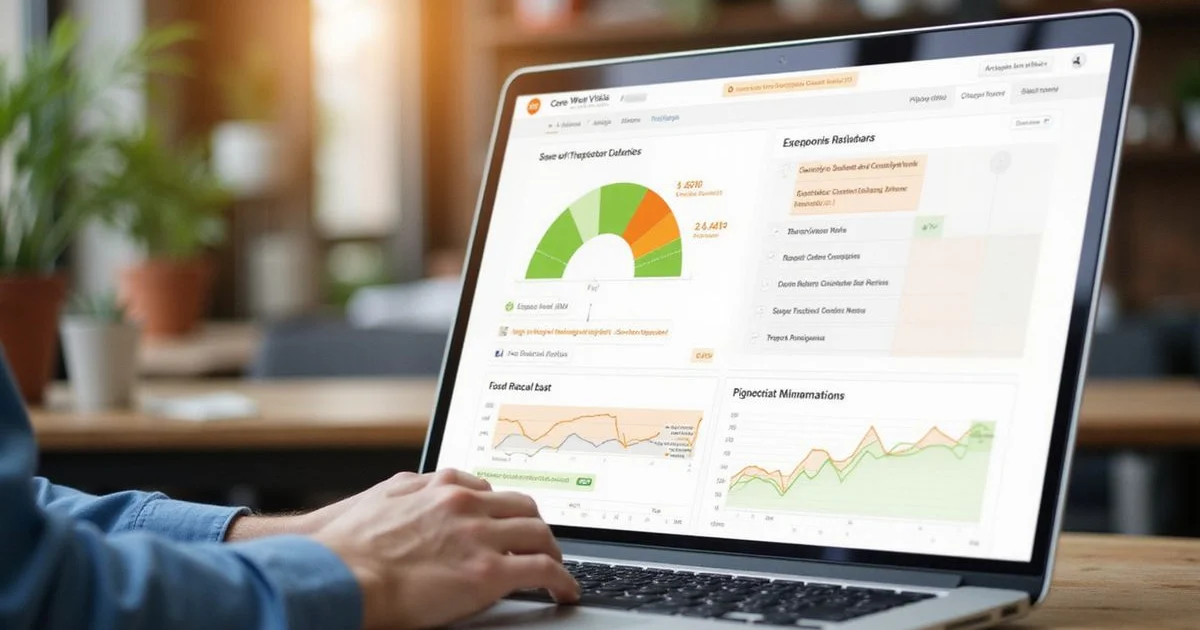
We have learned since Adam Yong founded Adam SEO in 2011 that search rankings mean nothing without tangible business results. You already know that a slow website kills sales before a customer even sees your product, which is exactly why core web vitals seo is a mandatory technical baseline.
Fast pages are the minimum expectation for consumers today.
Our team treats these speed metrics as a foundational business requirement. This guide will explore the exact 2026 data you need to understand and the practical fixes you can implement right now. Visit Technical SEO for our managed CWV remediation. See also: Technical SEO vs On-Page SEO.
The Three Metrics of Core Web Vitals SEO
Core Web Vitals measure three aspects of real-world page experience. Every metric has a specific threshold for good performance that Google expects.
| Metric | Target Score | Primary Culprit |
|---|---|---|
| LCP | Under 2.5 seconds | Large Hero Images |
| INP | Under 200 milliseconds | Heavy JavaScript |
| CLS | Under 0.1 score | Unsized Image Containers |
Largest Contentful Paint (LCP)
LCP measures the time until the biggest visible element finishes loading. You must target under 2.5 seconds at the 75th percentile to pass the Google assessment.
The most common LCP elements include:
- Large hero banners
- Featured product videos
- Main heading text blocks
Our audits of Malaysian hosting providers like Exabytes and ServerFreak show that server response time heavily impacts this score. Fixing unoptimised hero images and render-blocking CSS usually provides the biggest LCP seo improvements. A popular insider tip is to use caching plugins like LiteSpeed Cache or WP Rocket to handle these optimisations automatically.
Interaction to Next Paint (INP)
INP measures the responsiveness to user input. This metric officially replaced First Input Delay in 2024 as the standard measurement for interactivity.
Your goal is to keep this delay under 200 milliseconds. Heavy JavaScript execution on the main thread is the primary cause of poor inp seo scores. We often see developers fix this by using partial hydration techniques found in modern frameworks like Next.js.
Cumulative Layout Shift (CLS)
CLS measures visual stability to see how much content jumps as the page loads. You want to keep this score under 0.1.
Late-loading ads and dynamically injected content without reserved space will ruin your cls seo score. Reserving explicit dimensions for every image and ad container is the most effective fix. Our engineers always set min-height CSS properties for ad blocks to prevent jarring layout shifts.
Why It Matters Beyond Rankings
Core Web Vitals scores create compounding benefits that go far beyond a direct ranking signal. Faster pages generate significantly higher conversion rates and receive better crawl budgets.
We have tracked a 10% to 20% conversion improvement purely from speed optimisation work on Malaysian client sites. A 2026 industry report from Hashmeta confirmed that a one-second delay in page load time can reduce conversions by up to 7%. This revenue loss happens even if you hold the number one position on Google.
Our data shows that fast pages also get crawled much more often by search engines. Slow pages waste valuable crawler time and increase the risk of index drift. Better scores lift rankings and simultaneously improve indexation across your entire site. The financial impact stacks up quickly when you combine higher traffic with a better conversion rate.
Insider Tip: Shoppers do not wait for payment gateways to load. Speeding up your checkout page is the fastest way to reclaim abandoned carts.
The Stage 2 CRO Connection
Conversion Rate Optimisation overlaps heavily with speed improvements. The exact same technical adjustments that lower your LCP score will also increase your sales. Our 4-Stage Framework places a massive emphasis on Stage 2 Conversion Rate Optimisation.
The team treats speed and CRO as a shared project pipeline in our Premium and Elite retainers. A faster server response and deferred non-critical resources make the checkout process feel instantaneous. Many local e-commerce stores on Shopify in Malaysia struggle to keep their LCP under 3 seconds due to heavy tracking scripts.
Here are the shared benefits of combining speed and conversion strategies:
- Lower bounce rates on product category pages.
- Faster add-to-cart interactions for mobile shoppers.
- Increased trust during the checkout process.
- Higher return on ad spend from paid campaigns.
We help clients reclaim lost sales immediately by optimising those hero images and removing unused apps. Shoppers abandon their carts if the payment gateway takes too long to load, making this a critical priority.
What to Fix First
You should begin by auditing your scores in the Google Search Console Page Experience report and PageSpeed Insights. Focus on fixing the most common errors that drag down performance.
Fixing LCP Errors
The most common LCP killer is unoptimised hero images on category and product templates. You can fix this by serving images in the WebP format and adding explicit dimension hints.
A preload directive for the main image will also speed up the page speed ranking significantly. Our developers often see 4MB PNG files used as background images, which destroys load times.
Resolving INP Bottlenecks
The most common INP killer involves render-blocking third-party scripts. Chat widgets and heavy marketing pixels delay the browser from responding to user clicks.
Common scripts to audit include:
- Live chat widgets
- Heatmap tracking tools
- Social media pixels
We recommend using a defer or async load attribute for these tags. You must audit your Google Tag Manager container regularly to remove scripts you no longer need.
Stopping CLS Shifts
The most common CLS killer is late-loading banners that push content down the screen. Ads injecting content above the fold create a frustrating experience for mobile users.
Our team solves this by reserving container space and setting explicit dimensions on dynamic elements. You should always defer heavy promotional banners below the fold.
Mobile-First Indexing
Google indexes the mobile version of your site instead of the desktop layout. This means your mobile performance scores dictate your total search visibility.
We always test mobile performance first because desktop scores do not feed mobile-first indexing. Many business owners argue that their desktop site loads instantly, but that desktop speed is irrelevant if the mobile experience is sluggish.
The Speedtest Global Index reported in April 2026 that the median mobile download speed in Malaysia is 154 Mbps. Your site must perform well on these standard mobile connections.
| Feature | Mobile Indexing (Priority) | Desktop Indexing (Secondary) |
|---|---|---|
| Google Bot | Smartphone Crawler | Desktop Crawler (Rarely used) |
| CWV Impact | Direct ranking factor | Minimal ranking impact |
| Design Focus | Touch targets and INP | Hover states and wide layouts |
When Speed Becomes a Bottleneck
A site that takes longer than 4 seconds to load on mobile has a hard growth ceiling. No amount of great content or backlink building will overcome this foundational bottleneck.
Our agency has shipped LCP improvements from 4.5 seconds down to 1.8 seconds on production Shopify and WordPress sites. Ranking gains typically follow within just a few weeks of deployment.
You must fix your technical foundation before spending thousands of Ringgit on scaling other SEO inputs. A beautiful website that fails to load is useless to a consumer.
Pro Tip: Many default themes load unnecessary Javascript on every single page. A smart strategy is to conditionally load heavy scripts only on the specific URLs that actually use them.
Speed is a competitive advantage in the modern search landscape.
You cannot afford to ignore these vital metrics if you want to protect your core web vitals seo performance.
We encourage you to start with a thorough audit of your largest images and third-party scripts. Reach out to our technical team today to begin your speed optimisation project.
Related Guides
Technical SEO vs On-Page SEO
Clarify the division between technical SEO and on-page SEO — what each covers, where they overlap, and how Adam SEO splits them.
What Is a Technical SEO Audit?
Plain-language definition of a technical SEO audit — what it covers, what it outputs, and what to do with the findings.